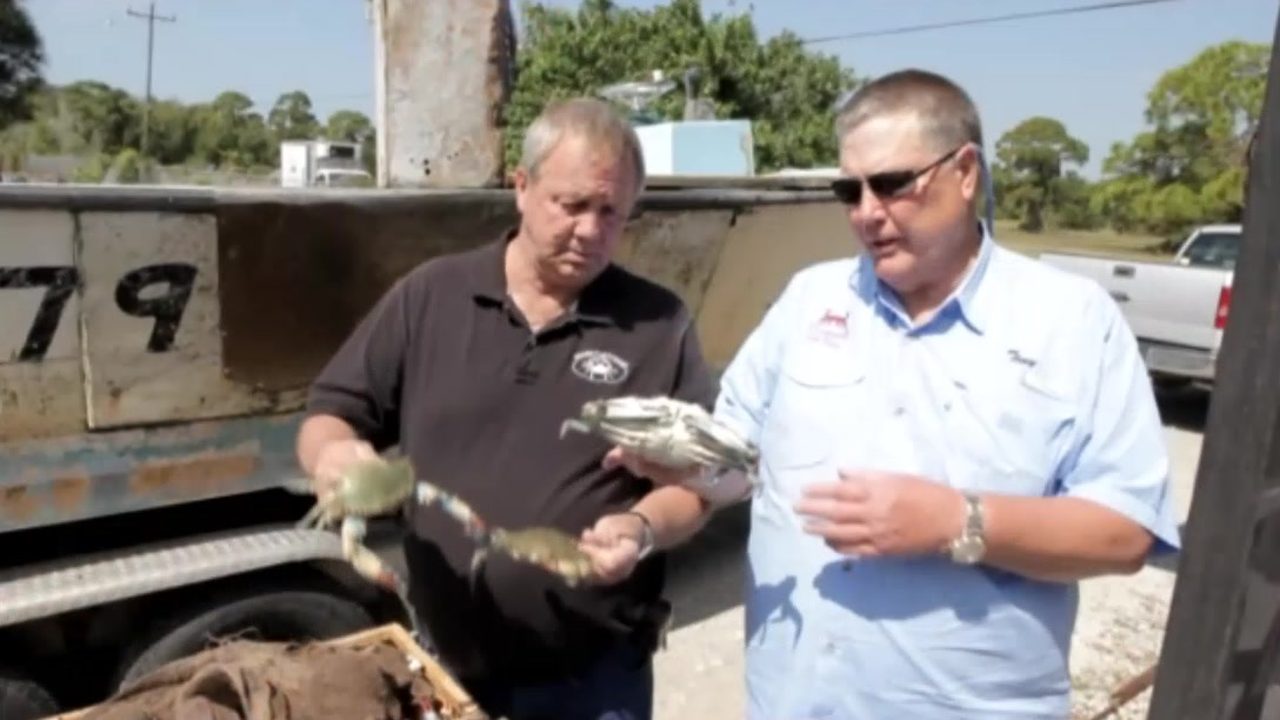
Where does Pinchers get its blue crab?
Where does Pinchers get its blue crab?
The crab run is the drive from Pinchers in Bonita Springs up to Island Crab Company on Pine Island and back, all in one afternoon, to bring home the fresh blue crab, stone crab and fish Pinchers serves. In this video, Tony Phelan takes the drive, meets a local crabber at the dock and walks through the picking house.
 By PinchersNovember 11, 2026
Quick facts
- The run
- Bonita Springs to Pine Island and back in an afternoon
- Supplier
- Island Crab Company, Pine Island, Florida
- What comes back
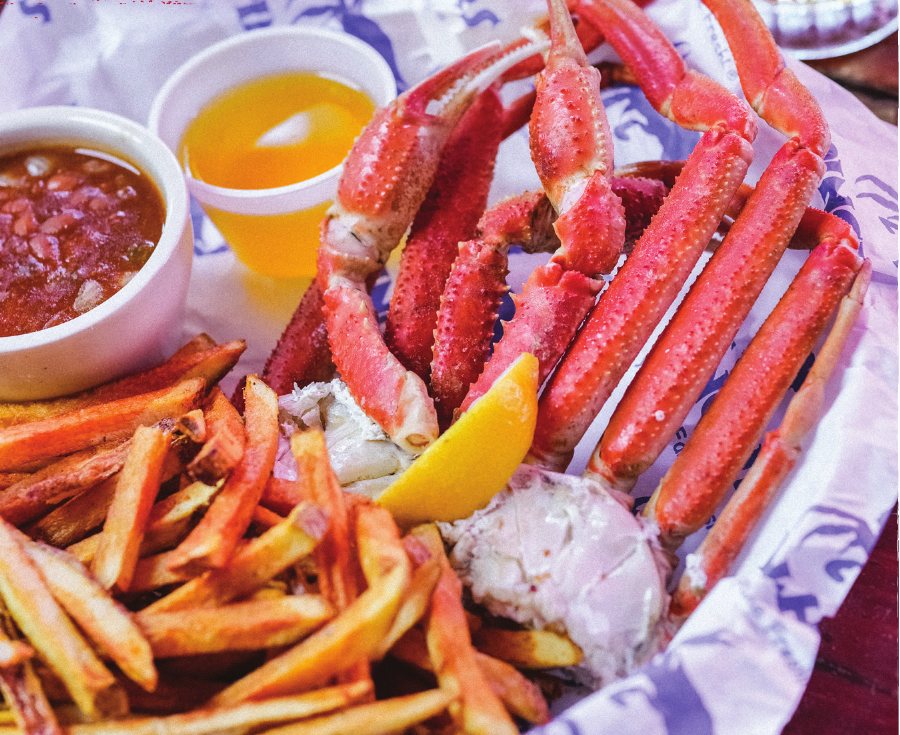
- Blue crab, stone crab and fresh fish
- Who brings it in
- Local crabbers, from 200 traps to 4,000
- Family tie
- The Phelans are part owners of Island Crab
It started with a pickup truck
When Pinchers first started, the crab run was made in a small S10 pickup. Pinchers was the smallest buyer at Island Crab, at the very bottom of the list.
“Sometimes I’d come back with 7 to 10 pounds of crab. Sometimes I’d come back with 100 pounds of crab.”
Tony Phelan, The Crab Run
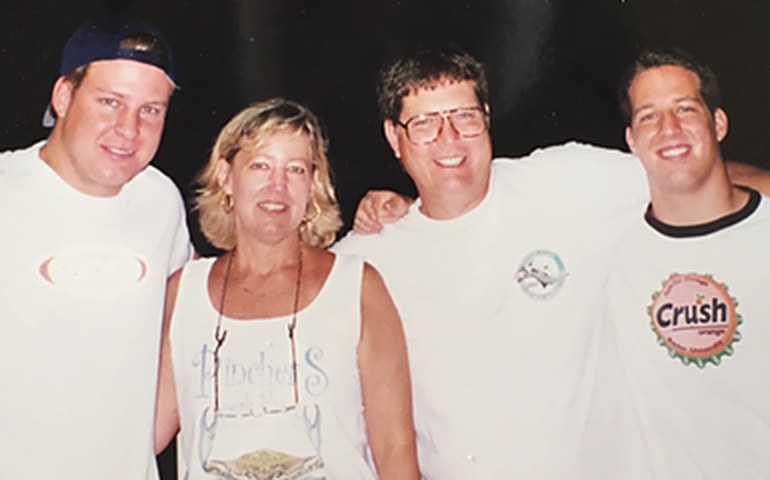
Over the years that changed. Pinchers became Island Crab’s largest buyer, and the family became part owners of the company. That partnership is why Pinchers can serve fresh local blue crab, stone crab and fish across all of its restaurants.
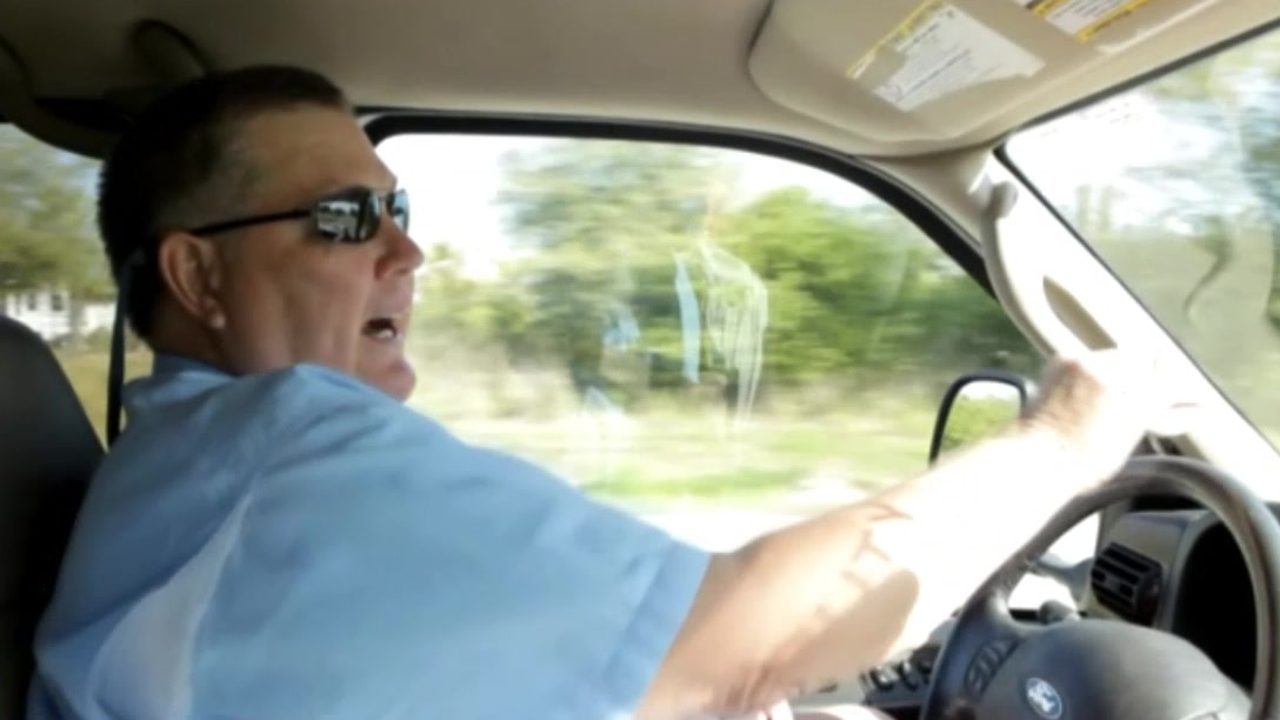
Through Matlacha to Pine Island
The road to Pine Island runs through Matlacha, the little fishing village full of brightly painted galleries. As Tony points out on the drive, you don’t say “Mat-LACK-a.” Locals say “Mat-la-SHAY.”
Island Crab itself surprises people. It isn’t on the water. It sits in an industrial park, and the crabbers, who keep their boats behind their houses or at a marina, bring their catch there every day. Some are retirees running 200 traps. Others run 4,000.
At the dock with a local crabber
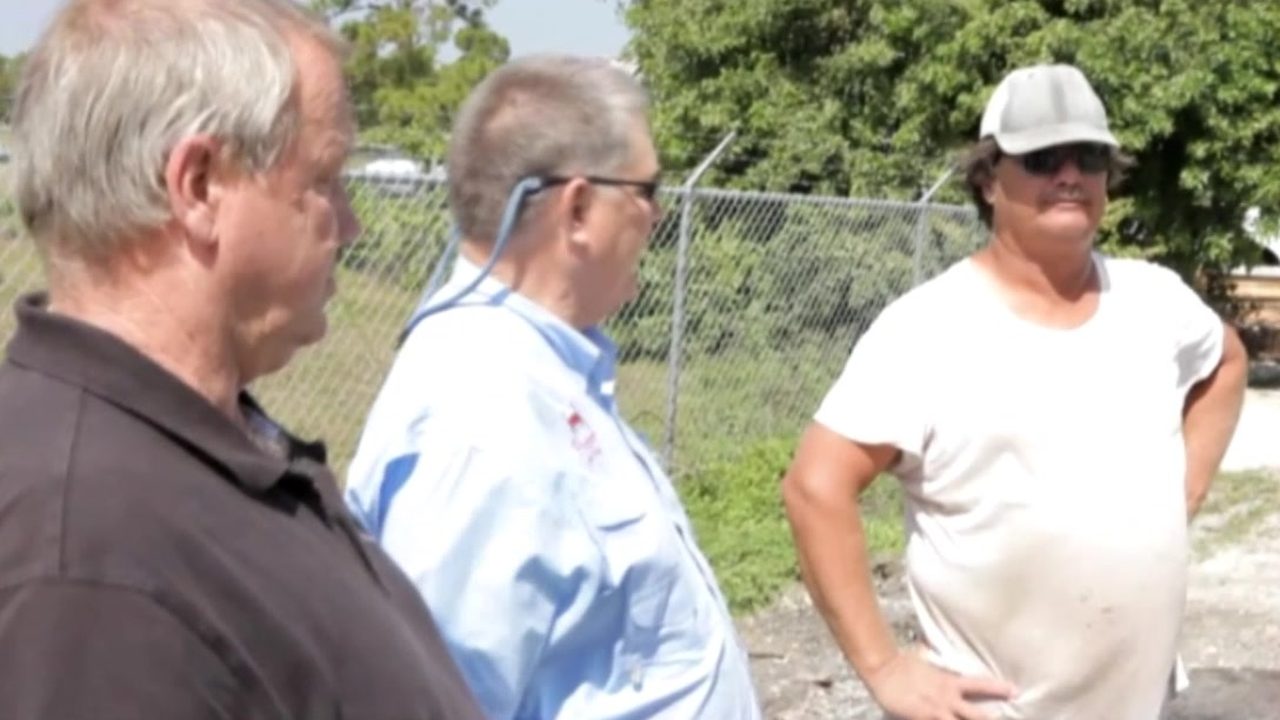
At Island Crab, Tony catches up with Scottie, a crabber who has worked these waters since Florida’s net ban changed commercial fishing in the 1990s. It had been a rough day on the water, and he was bringing in what he called “pocket money.”
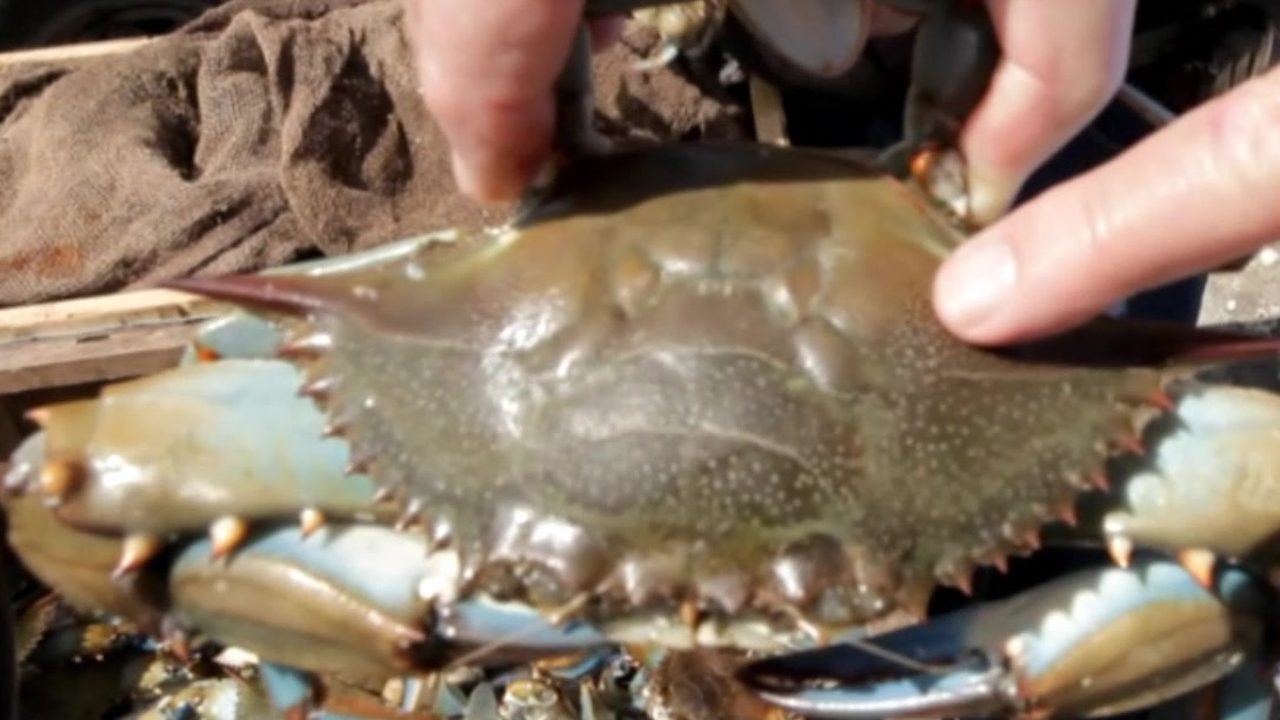
How to tell a male blue crab from a female
Once the crabs are unloaded, Tony shows the quickest ways to tell a male blue crab, called a jimmy, from a female, called a sook.
- Look at the claws. A mature female has red-tipped claws. “She’s got her fingernails painted,” as Tony puts it. A male’s claws are blue.
- Flip the crab over. A male’s apron is long and narrow, shaped like the Washington Monument. A mature female’s apron is wide and rounded, like the dome of the Capitol.
- A young female that has never mated has a narrow triangle-shaped apron.
Inside the picking house
Next stop is the picking house, which is HACCP inspected. The crabs are refrigerated first, then brought in a few pounds at a time and picked by hand. Each picker has a station and a specialty. Some are fastest at claws, others at bodies, where the jumbo lump and lump meat come from. Others pick claw meat and cocktail claws.
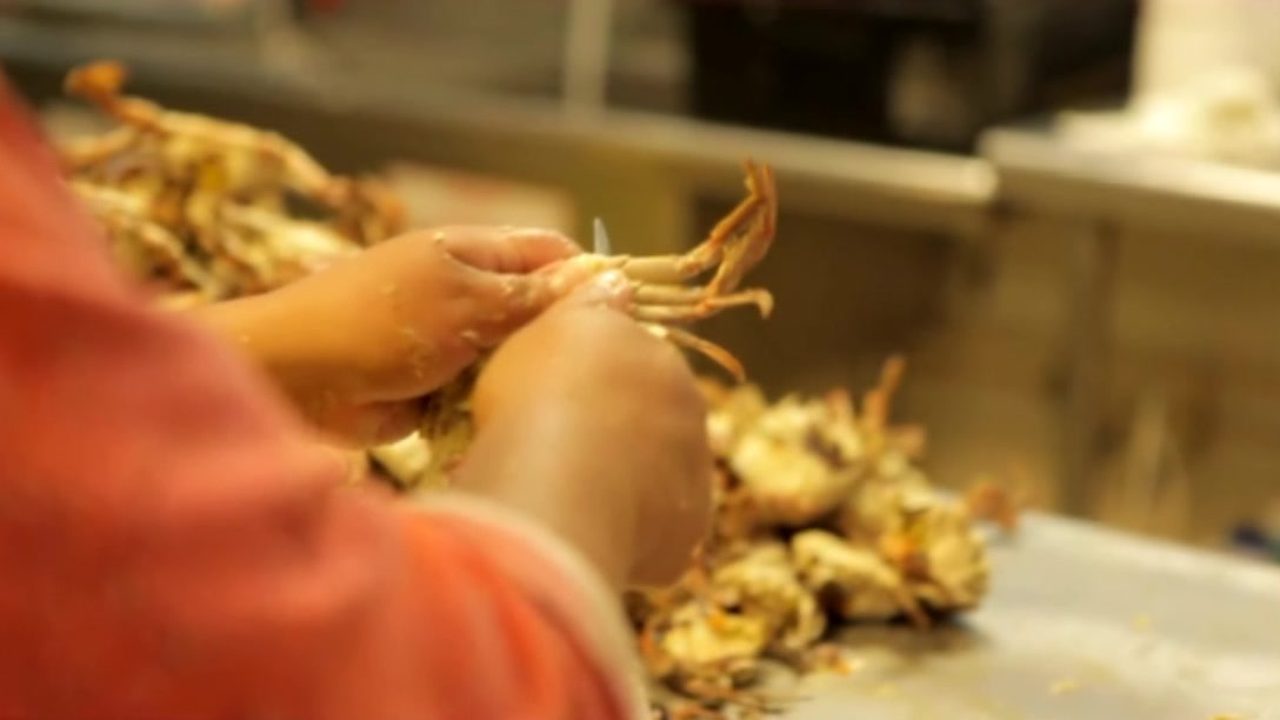
“Did these come from Vietnam?” “No, sir.” “Did these come from Taiwan?” “No, sir.” “You can’t fake fresh, baby.”
Tony Phelan and Jeff of Island Crab, The Crab Run
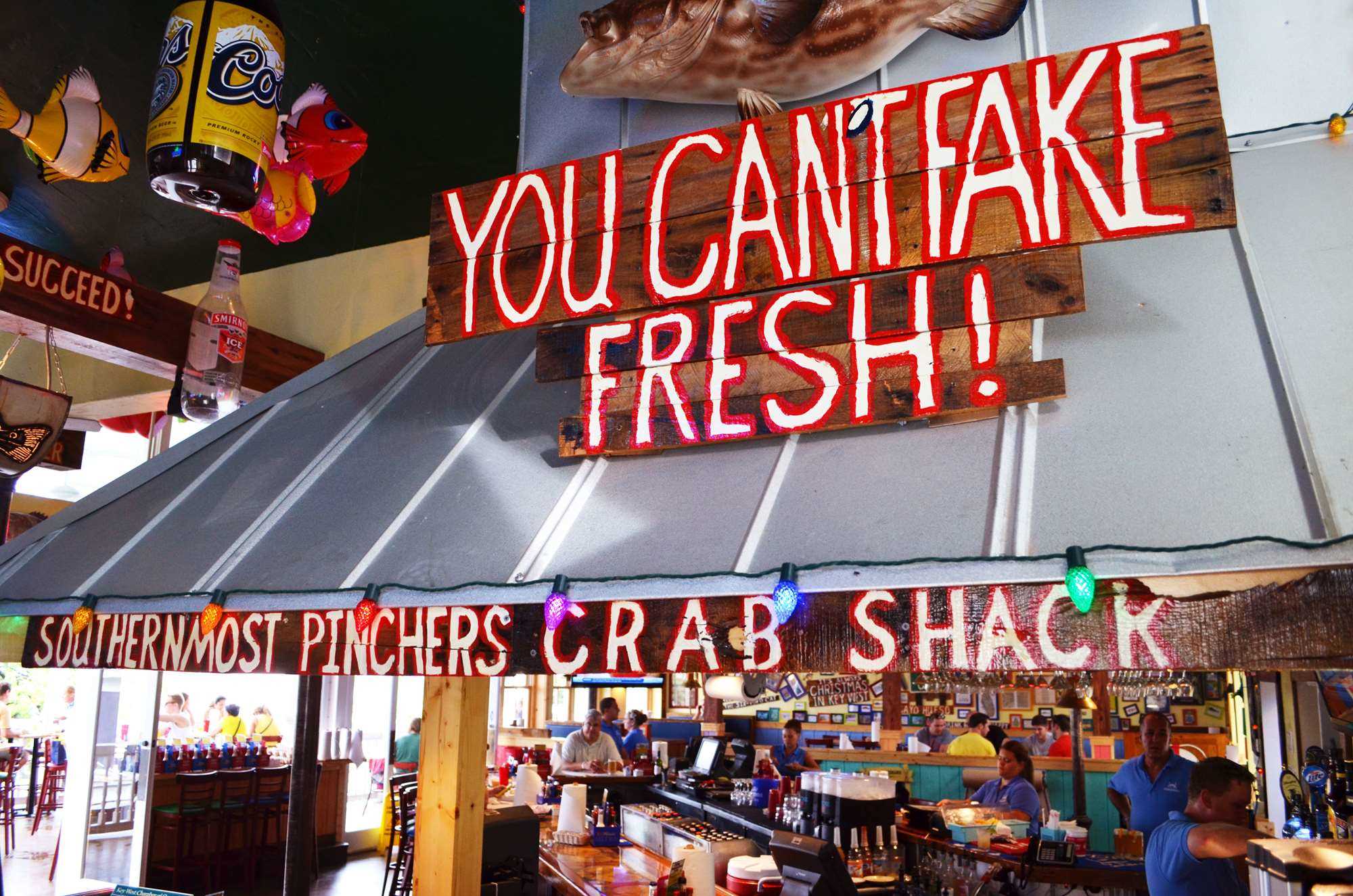
“You can’t fake fresh” is still the Pinchers motto. The crab comes from Pine Island, Florida, is picked by hand right there, and gets taste-tested in the picking room.
Common questions
Where does Pinchers get its blue crab?
From local crabbers who bring their catch to Island Crab Company on Pine Island, Florida. The Phelan family are part owners of Island Crab.
What is the Pinchers crab run?
The drive from Pinchers in Bonita Springs to Island Crab Company on Pine Island and back in one afternoon, to pick up fresh blue crab, stone crab and fish.
How do you tell a male blue crab from a female?
A mature female has red-tipped claws and a wide, rounded apron. A male has blue claws and a long, narrow apron.
How do you pronounce Matlacha?
Mat-la-SHAY.
About Pinchers
A family-owned Florida seafood restaurant, run by the Phelan family since 1997, with ten restaurants on Florida’s Gulf Coast.